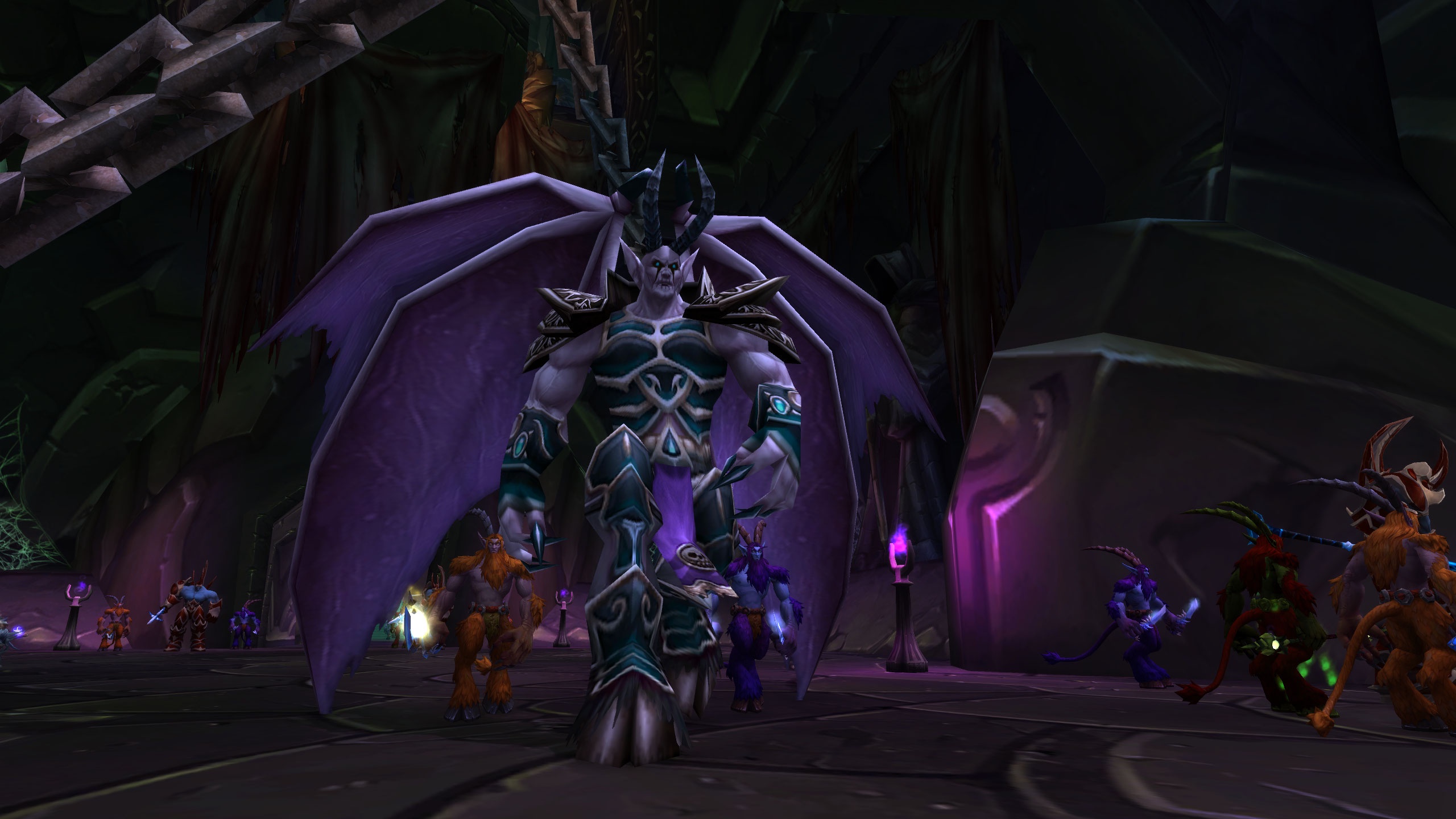
World of Warcraft raids are complex, multi-player challenges that require coordination and strategy. You’ll encounter various difficulty levels, from casual LFR to intense Mythic, each offering unique mechanics and rewards. To succeed, you’ll need a balanced team composition, appropriate gear, and a solid understanding of boss strategies.
Prepare by stocking up on consumables and optimizing your equipment. Loot distribution systems vary, but they all aim to fairly reward your efforts. Social dynamics play a significant role, so effective communication and conflict resolution skills are essential. Mastering these elements will set you on the path to raid success and epic adventures.
Key Takeaways
- Raids feature multiple difficulty levels: LFR, Normal, Heroic, and Mythic, catering to different skill levels and commitment.
- Successful raiding requires balanced team composition with tanks, healers, and DPS roles working together effectively.
- Gear progression is crucial, involving proper itemization, enchantments, and set bonuses aligned with class specializations.
- Understanding and executing complex boss mechanics and strategies are essential for overcoming raid encounters.
- Proper preparation, including consumables, inventory management, and social dynamics, enhances overall raid performance and experience.
History of WoW Raids
Evolving from humble beginnings, World of Warcraft raids have become a cornerstone of the game’s endgame content since the release of the original game in 2004. Initially, raids were designed for 40 players, requiring complex coordination and significant time investments. The raid design evolution began with classic encounters like Molten Core and Onyxia’s Lair, setting the stage for future innovations.
As expansions rolled out, Blizzard refined their approach. The Burning Crusade introduced 25-player raids alongside 10-player versions, improving accessibility. Wrath of the Lich King further diversified raid sizes and difficulties, catering to a broader player base. Cataclysm brought flex raiding, allowing for more adaptable group sizes.
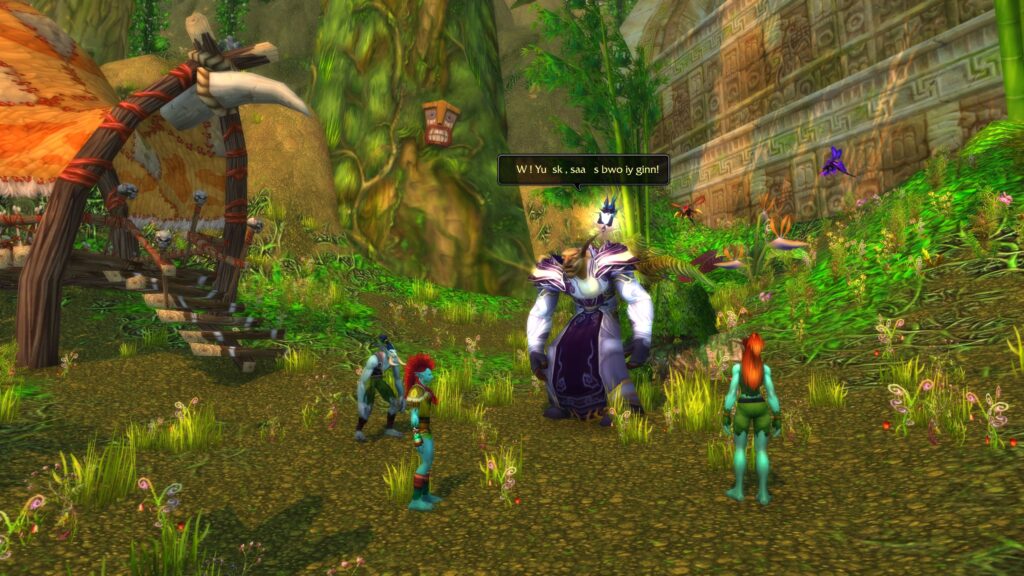
Throughout WoW’s history, iconic raid moments have left lasting impressions on players. The epic confrontation with Illidan in Black Temple, the nail-biting Lich King encounter in Icecrown Citadel, and the mind-bending mechanics of Yogg-Saron in Ulduar are etched in raiding lore. These experiences have shaped raid expectations and pushed developers to create increasingly intricate and engaging encounters, balancing challenge with reward to keep players invested in WoW’s endgame content.
Raid Tiers and Difficulty Levels
World of Warcraft’s raid tiers and difficulty levels have branched out over the years to cater to a wide range of player skills and time commitments. You’ll find four main difficulty levels: Looking for Raid (LFR), Normal, Heroic, and Mythic. LFR is the easiest, designed for casual players who want to experience the raid narrative without intensive coordination. Normal and Heroic difficulties offer progressively tougher challenges, allowing you to push your skills further.
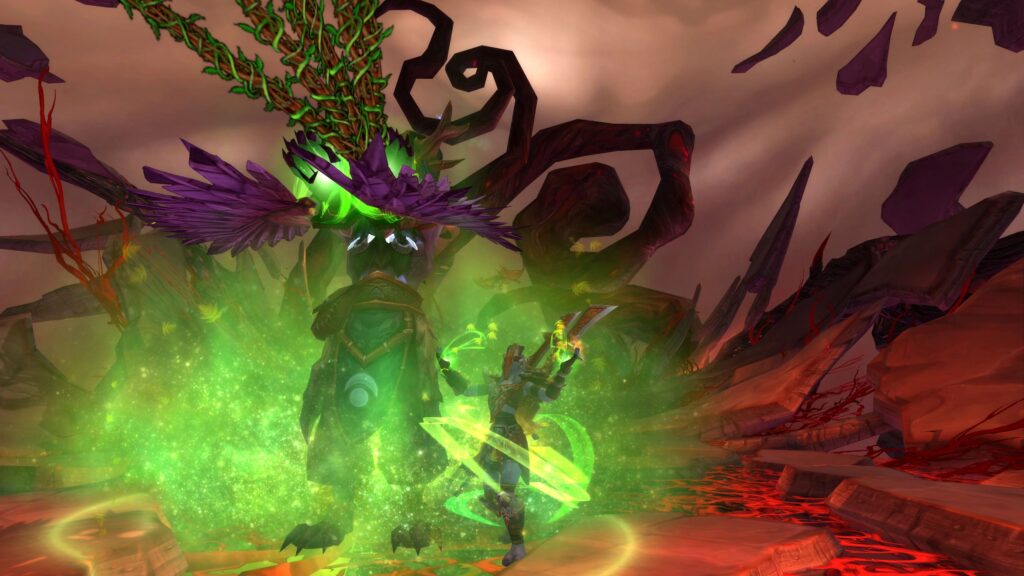
Mythic, the highest tier, demands exceptional teamwork and strategy. Each tier not only increases enemy health and damage but also introduces new mechanics and phases, enhancing the raid’s complexity. The environmental design often changes too, with additional hazards or altered layouts in higher difficulties.
Raid tiers typically progress throughout an expansion, with each new raid offering more powerful gear and continuing the overarching storyline. You’ll notice that earlier tiers become easier as you acquire better equipment, allowing you to experience the full raid narrative at your own pace. This tiered system guarantees that raids remain engaging and challenging for players of all skill levels throughout an expansion’s lifecycle.
Raid Composition and Roles
Successful raiding in World of Warcraft hinges on a well-balanced team composition. You’ll need to carefully consider tank specifications, guaranteeing you have main tanks capable of damage mitigation and off-tanks for adds or mechanic handling. Healer dynamics play a significant role, with a mix of single-target and area-of-effect healers to manage raid-wide damage.
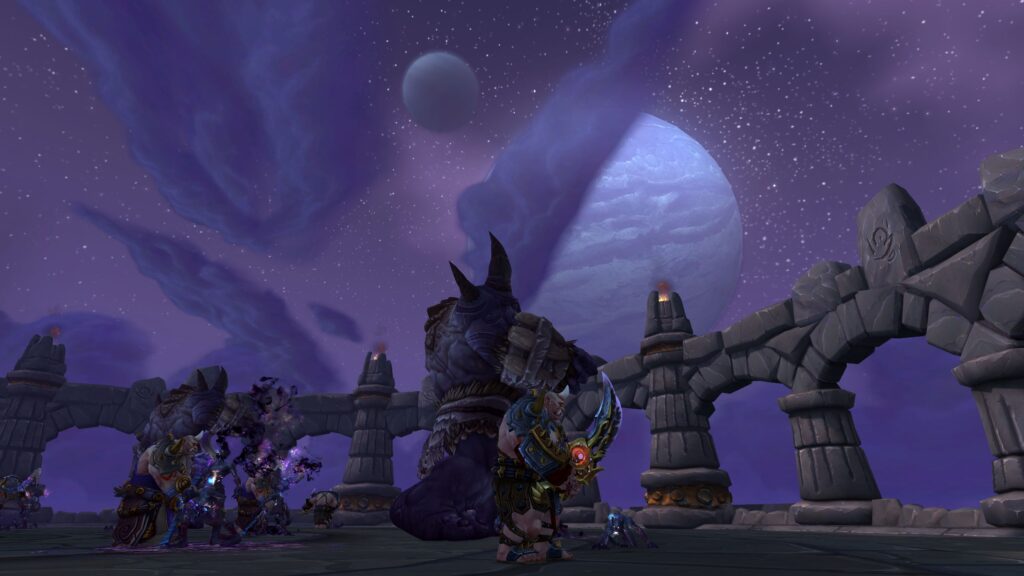
DPS priorities should be distributed among ranged and melee damage dealers, each bringing unique strengths to the encounter. Don’t overlook the importance of crowd control abilities, which can be essential for managing complex fight mechanics. Role synergy is key, so you’ll want to make sure your team’s abilities complement each other effectively.
Buff management is another important aspect of raid composition. You’ll need to balance classes to maximize beneficial auras and buffs across the raid. Cooldown coordination is equally important, requiring careful planning to cycle through defensive and offensive abilities at critical moments.
Gear Requirements and Progression
As you progress through World of Warcraft’s raid content, you’ll need to meet increasingly stringent gear requirements. Gear progression is an essential aspect of raiding, and understanding ideal gearing strategies is key to success. You’ll want to focus on itemization that aligns with your class and specialization, prioritizing stats that enhance your performance.
To maximize your character’s potential, pay attention to enchantment choices and crafting benefits. These can provide significant boosts to your overall power. As you obtain gear from raids, world quests, and dungeons, you’ll notice power scaling that allows you to tackle more challenging content.
Gear sets play an important role in raid progression, offering bonus systems that can dramatically improve your abilities. You’ll want to aim for completing these sets as you advance through different tiers of content. Don’t overlook transmog options, which allow you to customize your character’s appearance without sacrificing performance.
Raid Mechanics and Boss Strategies
WoW’s raid mechanics and boss strategies form the backbone of high-level PvE content. Understanding these elements is essential for success in raid encounters. Mechanic breakdowns reveal the intricacies of each fight, highlighting boss abilities and encounter pacing. You’ll need to master strategy adaptations to overcome various challenges, from intense damage phases to complex healing tactics.
Group positioning plays a significant role in raid success. You’ll often need to:
- Spread out to avoid area-of-effect damage
- Stack together for efficient healing
- Move to designated safe zones during environmental hazards
- Rotate positions to manage debuffs or mechanics
Effective cooldown management is fundamental for surviving tough encounters. You’ll need to coordinate defensive abilities and healing cooldowns with your team. Timing mechanics are another essential aspect, requiring you to execute specific actions at precise moments.
As you progress through raids, you’ll encounter increasingly complex boss fights. Each encounter demands a unique approach, combining all these elements into a cohesive strategy. By mastering these raid mechanics and boss strategies, you’ll be well-equipped to tackle WoW’s most challenging content and emerge victorious.
Loot Systems and Rewards
Several loot systems and reward structures exist in World of Warcraft raids, each designed to distribute gear fairly among raid members. You’ll encounter various loot distribution methods, including need/greed rolls, master looter, and personal loot. These systems aim to balance gear acquisition across the raid group while minimizing conflicts.
Reward systems in raids typically feature items of varying rarity tiers, from uncommon to legendary. You’ll find gear upgrades, vanity items like mounts and pets, and crafting materials. Bonus rolls offer additional chances at loot, allowing you to use currency for extra rewards.
Token systems are often implemented for specific gear slots, letting you collect and exchange tokens for desired pieces. This helps mitigate the randomness of drops and guarantees steady progression.
Achievement rewards provide extra incentives for completing challenging raid objectives. These can include titles, mounts, or cosmetic items.
Some guilds employ a loot council system, where a designated group decides on gear distribution based on factors like attendance, performance, and overall raid benefit. This approach aims to optimize gear allocation for the raid’s success.
Raid Preparation and Consumables
Proper preparation can make or break your raid experience in World of Warcraft. Before stepping into a raid, you’ll need to gather essential raid consumables and implement effective preparation strategies. These items and tactics will considerably boost your performance and increase your chances of success.
Key raid consumables include:
- Flasks or elixirs to enhance your primary stats
- Food buffs that provide additional attributes
- Weapon oils or sharpening stones for increased damage
- Potions for on-demand boosts during combat
Beyond consumables, you should also focus on gear optimization, researching boss mechanics, and coordinating with your raid team. Make sure your gear is properly enchanted and gemmed, and consider crafting or purchasing specialized items that benefit your class or role.
It’s vital to manage your inventory space efficiently, bringing enough supplies without overloading. Create a pre-raid checklist to avoid forgetting essential items. Additionally, familiarize yourself with the raid’s layout and trash mobs to streamline your group’s progress.
Social Dynamics of Raiding
In World of Warcraft raiding, you’ll encounter complex social structures within your guild, including defined roles and a clear hierarchy. You’ll need to navigate these dynamics carefully, understanding your position and responsibilities in the raid team. When conflicts arise, effective communication and established resolution strategies are vital to maintain group cohesion and progress through challenging content.
Guild Hierarchy and Roles
Most successful raiding guilds in World of Warcraft rely on a well-defined hierarchy and role structure to maintain order and efficiency. At the top, you’ll find the guild leadership, typically consisting of a guild master and several officers who oversee various aspects of guild management. These raid officers are responsible for:
- Implementing recruitment strategies to fill vital roles
- Organizing and leading training sessions for new raiders
- Managing team communication during raids
- Enforcing player accountability and addressing performance issues
Below the leadership, you’ll find specialized roles within the raid team. Each player’s role is carefully defined to guarantee balanced team composition and peak performance. Role specialization is essential, as it allows raiders to focus on mastering their specific functions within the group.
Guild events and member retention strategies are fundamental for maintaining a cohesive team. Regular activities outside of raids help foster camaraderie and keep players engaged. Different leadership styles may be employed, but effective communication and clear expectations are universal keys to success. By establishing a strong hierarchy and well-defined roles, your guild can create a structured environment that maximizes raid performance and player satisfaction.
Conflict Resolution Strategies
Despite the best-laid plans, conflicts inevitably arise within raiding guilds. To maintain a healthy raiding environment, you’ll need to employ effective conflict resolution strategies. Start by understanding different communication styles and personality types within your team. This knowledge will help you tailor your approach when addressing issues.
Implement conflict mediation techniques to address disputes promptly. Encourage active listening and promote constructive feedback among guild members. Utilize teamwork exercises to strengthen bonds and improve cooperation during raids. Role differentiation can help clarify expectations and reduce misunderstandings.
Develop your emotional intelligence to better navigate tense situations. Practice trust-building activities to foster a supportive atmosphere. When conflicts arise, employ various resolution techniques, such as compromise, collaboration, or even temporary role reassignments.
Frequently Asked Questions
How Long Does a Typical Raid Take to Complete?
The duration of a typical raid can vary greatly, but you’re usually looking at 2-4 hours for a single session. Your raid’s length depends on factors like group experience, encounter difficulty, and coordination. To optimize raid duration, implement effective strategies like pre-raid preparation and clear role assignments. Time management tips include setting break schedules and maintaining focus. Remember, balancing efficiency with enjoyment is key. As you progress, you’ll find your team naturally becoming more streamlined, potentially reducing overall raid time.
Can I Join a Raid if I’m Not in a Guild?
Did you know that over 60% of WoW players have participated in at least one raid? You can absolutely join raids without being in a guild! The Raid Finder tool allows you to queue for simplified versions of current raids. You’ll be matched with other players looking to tackle the same content.
Additionally, you can find community groups through in-game chat or external forums that organize raids. These options provide flexibility and accessibility, ensuring you don’t miss out on epic boss encounters and valuable loot.
Are There Any Class Restrictions for Participating in Raids?
You’ll find that there aren’t strict class restrictions for raids, but class roles and raid composition matter considerably. Each class contributes uniquely to boss mechanics and overall strategy. You’ll want a balanced team with tanks, healers, and damage dealers. Your raid leader will consider player contributions when forming groups. While any class can participate, some may be preferred for specific encounters. Ultimately, your skill and understanding of your class’s strengths will be more important than the class itself.
What Happens if a Player Disconnects During a Raid Encounter?
If you disconnect during a raid encounter, your character will remain in-game for a short period. Raid mechanics continue as normal, potentially putting your character at risk. There aren’t specific disconnect penalties, but you might miss vital moments or loot opportunities. Your raid team may need to adapt strategies in your absence. Upon reconnecting, you’ll need to catch up quickly. Frequent disconnects can frustrate your team and impact your raid spot, so it’s important to maintain a stable connection.
How Often Do New Raids Get Released in World of Warcraft?
You’ll find that new raids in World of Warcraft don’t drop like hotcakes. Raid release frequency varies, but typically you can expect raid content updates every 6-8 months within an expansion. Blizzard balances the pace to keep you engaged without overwhelming you. They’ll release 3-4 major raids per expansion, each offering fresh challenges and loot. You’ll need to stay on your toes, as these updates often bring class changes and new mechanics to master. Keep an eye on official announcements for exact release dates.
Conclusion
You’ve now got a solid grasp of WoW raiding essentials. From its history to gear prep, you’re equipped to tackle even the toughest encounters. Remember, successful raiding isn’t just about individual skill—it’s a team effort. Curiously, the world-first race for mythic raids often sees top guilds spending 16+ hours per day progressing. While you don’t need that level of commitment, balancing your raid comp, mastering mechanics, and fine-tuning your gear will set you up for epic victories.
Home!