Each expansion in WoW has brought new content, but not all of them left players satisfied. Some felt rich and rewarding, while others struggled to keep players engaged. What makes an expansion feel worthwhile, and why do some fail to deliver?
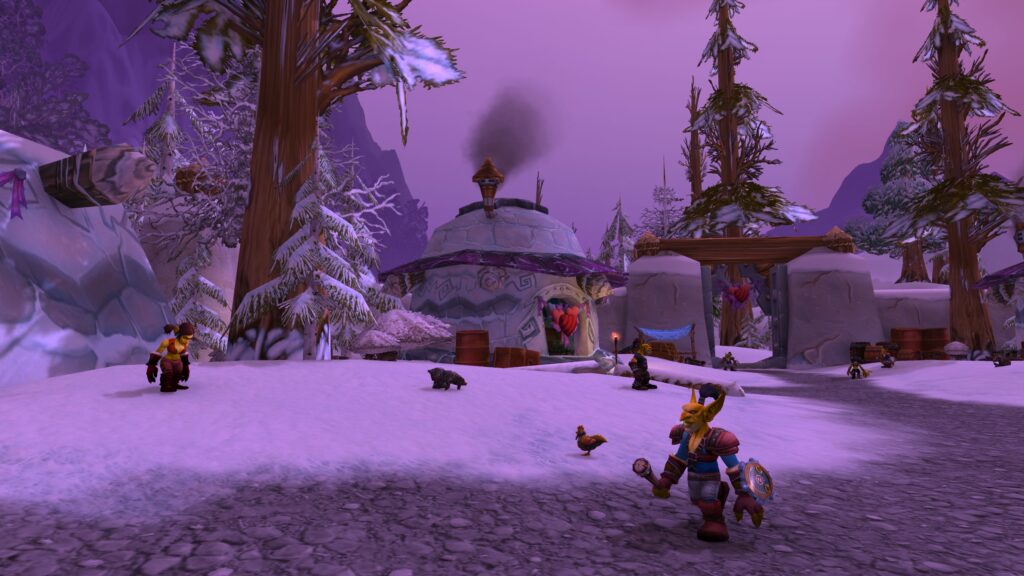
Strong Progression Systems Keep Players Engaged
Expansions that offer meaningful progression outside of raids and dungeons tend to be more rewarding.
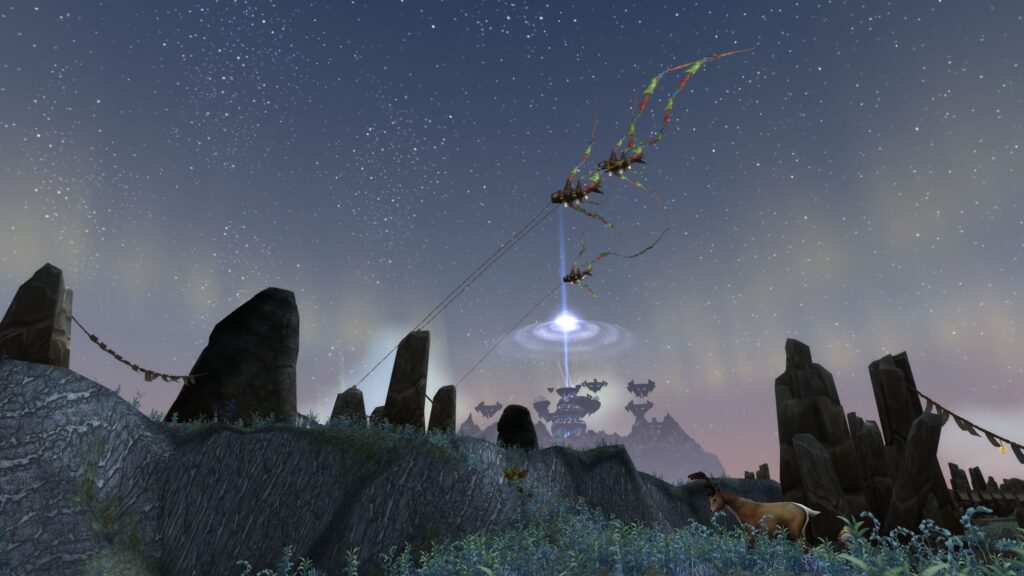
Successful Examples:
- Legion’s Artifact Weapons: Players felt a real sense of growth as they powered up their weapons.
- The Burning Crusade’s Reputation Grind: Gating powerful rewards behind factions gave progression a purpose.
- Wrath of the Lich King’s Badges: A steady stream of rewards kept players invested.
Why Some Expansions Felt Hollow
Poorly implemented progression systems can make an expansion feel like a chore instead of an adventure.
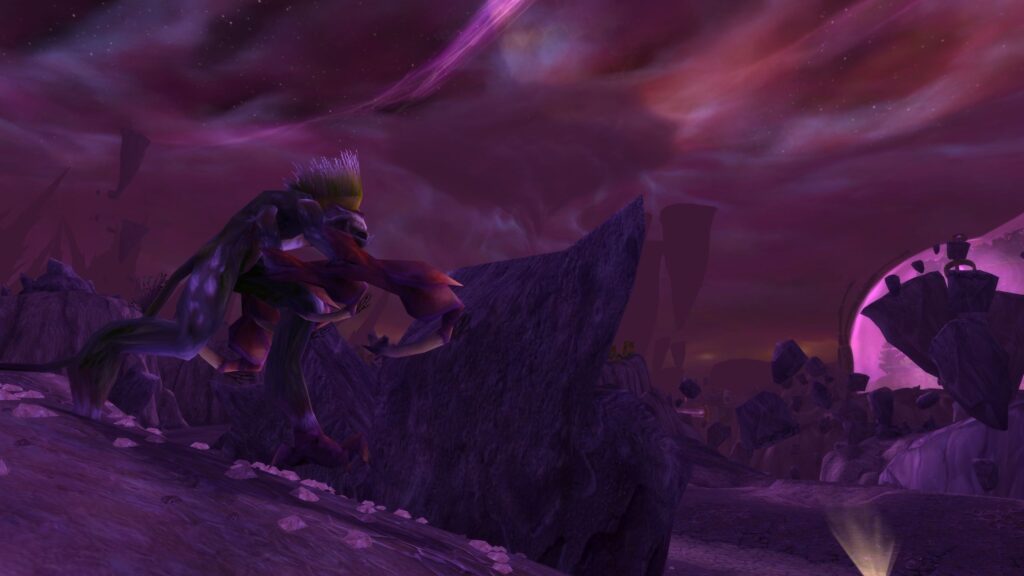
Common Issues:
- Battle for Azeroth’s Azerite Armor: Traits felt underwhelming and required constant re-farming.
- Warlords of Draenor’s Lack of Content: A strong launch followed by long droughts left players bored.
- Shadowlands’ Covenant Restrictions: Locking player choice behind time-gated content frustrated many.
The Importance of Replayability
Expansions that offer a variety of engaging activities outside of endgame PvE tend to last longer.
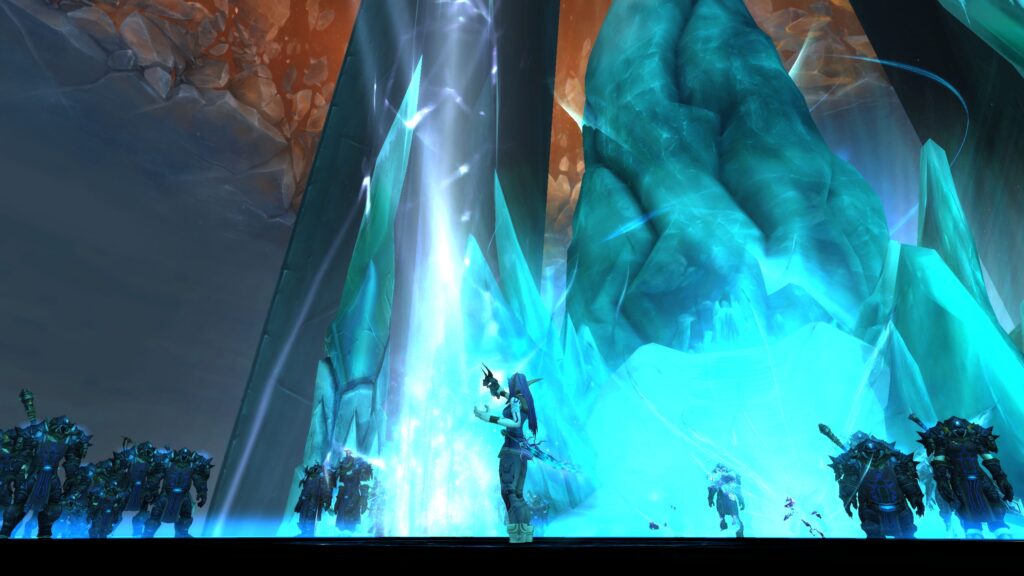
What Worked Well:
- Legion’s Mythic+ System: Dungeons stayed relevant throughout the expansion.
- Wrath of the Lich King’s PvP Balance: Battlegrounds and Arenas were highly active.
- The Burning Crusade’s Dungeon Reputation Farms: Gave players a reason to run dungeons beyond gear.
Conclusion
A rewarding expansion keeps players engaged through meaningful progression, diverse content, and long-term replayability. Expansions like Wrath of the Lich King and Legion nailed these aspects, while others struggled to provide lasting appeal.
Home