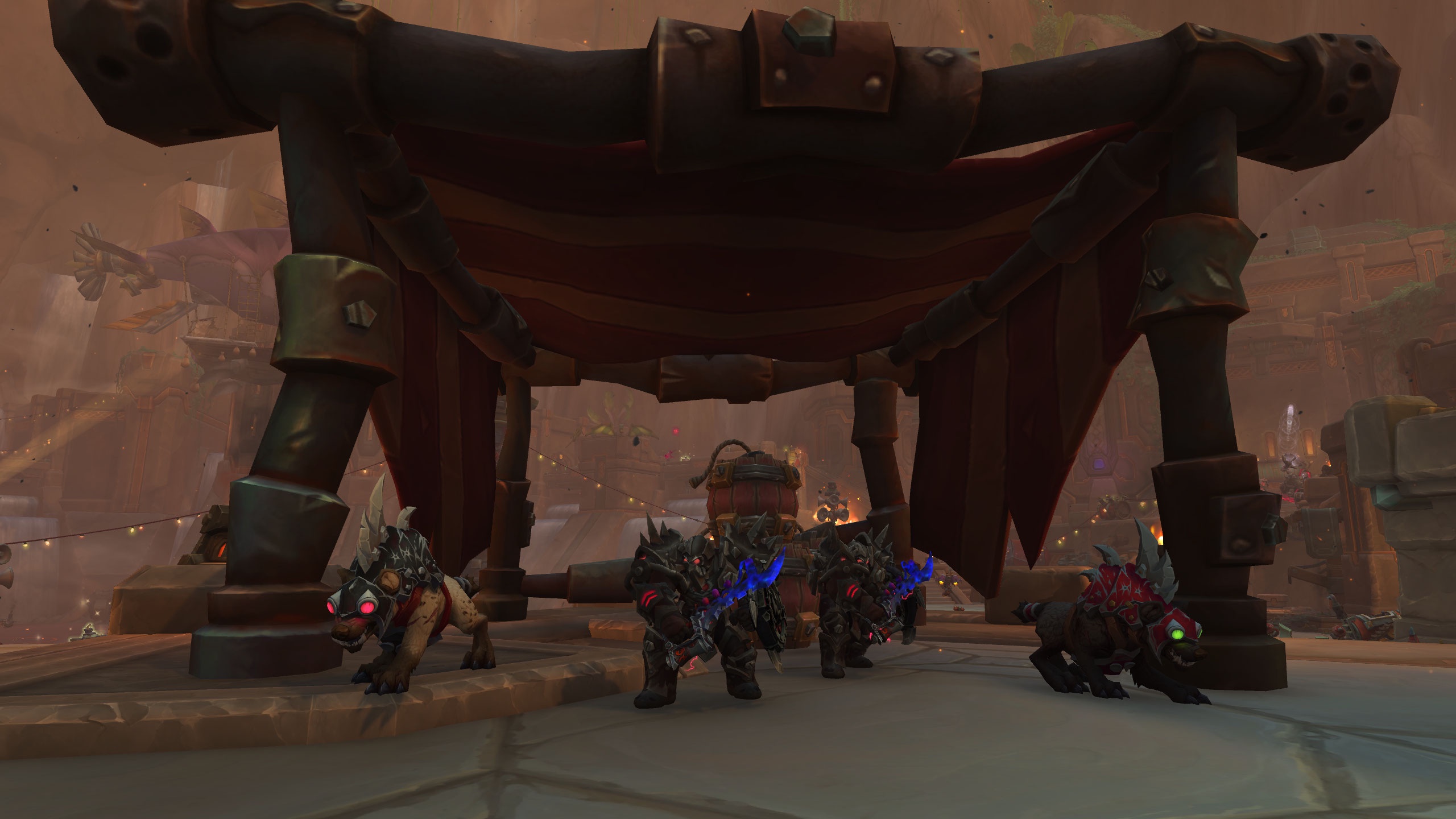
Introduction: The Importance of Group Content in WoW
Group content has always been a central part of World of Warcraft (WoW). From dungeons to large-scale raids, WoW offers a variety of multiplayer experiences that allow players to team up and tackle challenging content. Whether you’re venturing into a dungeon with a small party or joining a large raid for an epic battle, group content provides some of the most rewarding and memorable moments in the game. In this article, we’ll dive deep into how WoW handles group content, exploring the differences between dungeons and raids, how they’re structured, and what makes them so integral to the WoW experience.
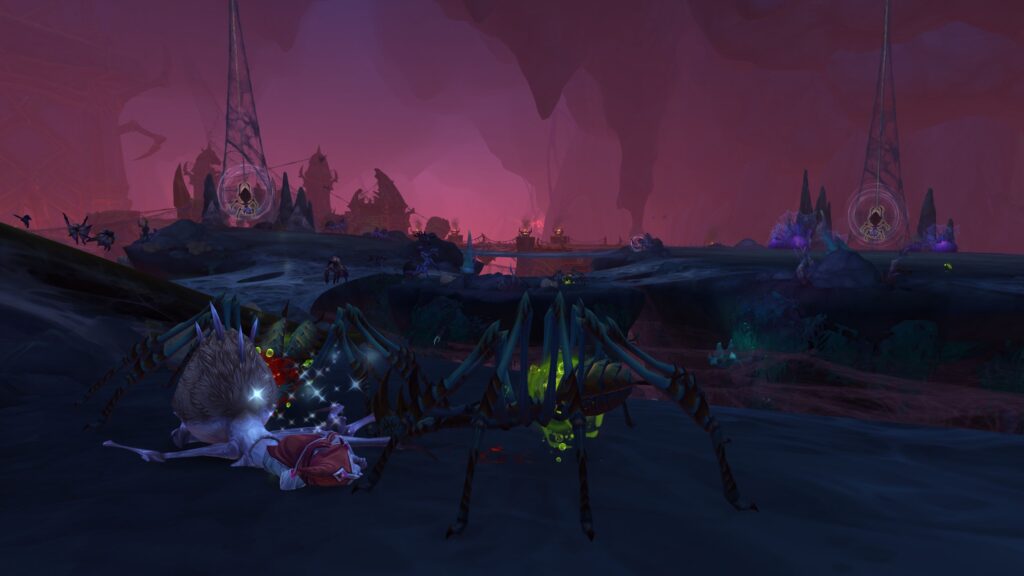
1. Dungeons: Challenging Yet Accessible Group Content
Dungeons in WoW are instances that can be completed by a small group of players, typically consisting of a tank, healer, and DPS. These dungeons offer both challenging mechanics and story-driven encounters. While they provide a lot of content, dungeons are more accessible than raids, making them perfect for players looking for group content without the commitment of larger raids.
Dungeon Features
- Group Sizes – Most dungeons require a group of 5 players. These groups typically consist of one tank, one healer, and three DPS players, but certain dungeons may allow for different compositions.
- Difficulty Levels – Dungeons in WoW can be completed on a variety of difficulties, from Normal and Heroic to Mythic and Mythic+. Mythic dungeons offer the most challenging content and are often used for gearing up players.
- Story and Lore – Dungeons are often tied to the overarching story of the expansion, featuring unique environments, lore-rich encounters, and iconic bosses.
2. Raids: Large-Scale Group Content
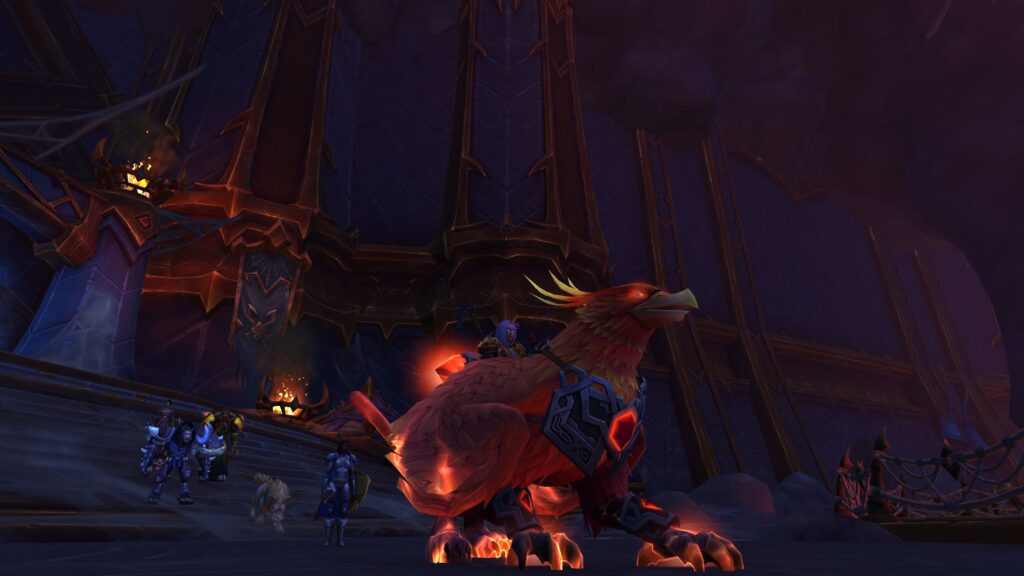
Raids in WoW are some of the most epic group content available. Unlike dungeons, which typically require smaller groups, raids require large groups of 10 to 30 players. Raids are more complex and difficult than dungeons, requiring a high level of coordination and strategy. Raids often feature multiple bosses, mechanics that require specific roles, and a sense of progression that culminates in defeating the final boss.
Raid Features
- Group Sizes – Raids usually require much larger groups than dungeons. Depending on the difficulty, raids can require anywhere from 10 to 30 players, with some raid modes offering scaling difficulties to accommodate different group sizes.
- Challenging Mechanics – Each boss in a raid is designed with a set of unique mechanics that challenge players’ coordination, timing, and communication. Raids often involve multi-phase encounters that require the team to adapt on the fly.
- Reward Systems – Raids offer high-level rewards, such as powerful gear, mounts, achievements, and cosmetics, providing significant incentives for completing them. The loot is often distributed using a loot system that rewards members based on contribution and chance.
3. The Role of Teamwork and Communication in Group Content
One of the defining features of both dungeons and raids is the importance of teamwork and communication. While WoW allows for solo content, group content requires players to coordinate their actions and adapt to dynamic situations. Without effective communication and cooperation, even the easiest content can become impossible to complete.
Tips for Successful Group Play
- Listen to the Raid Leader – In raids, the raid leader is responsible for guiding the group through the encounter. Follow their instructions and ask for clarification if needed.
- Focus on Your Role – Whether you’re a tank, healer, or DPS, it’s essential to focus on your role and responsibilities. Tanks should manage aggro, healers must keep the group alive, and DPS players need to maximize damage.
- Use Voice Communication – Voice communication is key to success in both dungeons and raids. Use voice chat to coordinate with your team, call out mechanics, and provide updates on fight progress.
4. Group Content Progression and Scaling
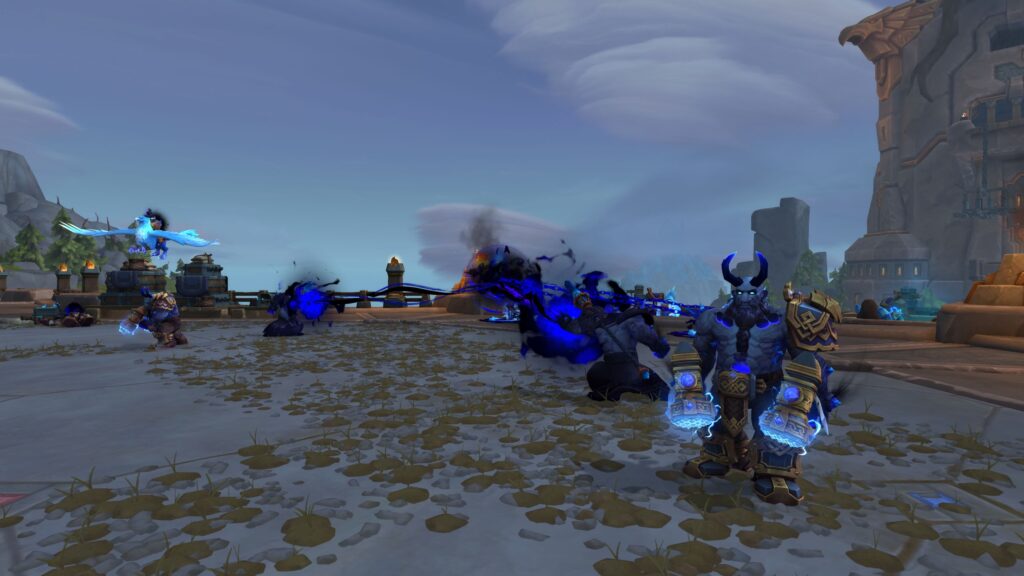
WoW’s group content is designed to scale with player progression. As you increase in power and gear, you’ll unlock more challenging content that requires higher skill and coordination. The game features both scaling difficulty for dungeons and raids and optional challenges for endgame content.
Progression in Group Content
- Difficulty Scaling – As you progress through dungeons and raids, you can opt for higher difficulty settings like Heroic, Mythic, or Mythic+, which offer more challenging encounters and better rewards.
- Endgame Challenges – After completing the main raid content, WoW introduces challenge modes, such as Mythic+ dungeons and high-level raid difficulties, to provide ongoing progression for the most dedicated players.
Conclusion: The Core of WoW’s Group Experience
Group content, whether in dungeons or raids, is a central aspect of World of Warcraft’s experience. The challenges posed by these activities require players to work together, master their roles, and communicate effectively. With the added layer of rewards and progression, group content remains one of the most engaging and rewarding parts of WoW. Whether you’re just starting out in dungeons or gearing up for the next big raid, teamwork and strategy are your keys to success.
Home