
Reputation systems have been part of WoW since launch, quietly shaping player progression, pacing, and long-term engagement. While reputation often appears as a simple bar that fills from Neutral to Exalted, the design behind it is far more layered and influential. Reputations determine access to gear, cosmetics, travel options, story chapters, profession recipes, and even power progression in certain expansions. Over time, Blizzard refined reputation models, adding complexity, narrative weight, and alternate progression paths that guide players in ways they rarely think about consciously.
This article explores the many layers of WoW’s reputation systems, explaining how they influence motivation, structure gameplay, and create predictable rhythms of progression across expansions.
The Role of Reputation in Structuring Player Progression
Reputation serves as one of WoW’s most effective pacing tools. Instead of overwhelming players with all rewards at once, reputation slowly unlocks benefits, creating steady progress without burnout. This structure is especially noticeable in expansions that tie story chapters or power systems to reputation milestones, encouraging players to return weekly and engage with specific content loops.
Reputation offers a sense of long-term achievement. Unlike loot drops—which depend on RNG—reputation provides guaranteed returns for effort, making it one of the most reliable progression paths in the game.
A History of Evolving Reputation Models
Classic WoW introduced extremely grind-heavy reputations, often requiring weeks of repetitive quests or rare mob kills. Burning Crusade refined the system with dungeon-based reps, giving players agency over their grind. Wrath added tabards, making it easier to target specific factions. Later expansions experimented with daily quests, weekly caps, renown-like systems, and activity-based progress.
The reputation model evolved to support narrative depth, gameplay variety, and accessibility, reflecting Blizzard’s shifting philosophy on player time investment.
Modern Reputation: Renown, Zones, and Activity Variety
Recent expansions introduced renown-like systems that turn reputation into a multi-layered progression track. Instead of numerical standings, players unlock cosmetic sets, features, quests, and power bonuses through structured milestones. Modern reputations reward everything from exploration to crafting to world events, giving players multiple ways to progress instead of funneling them through narrow loops.
This flexibility lets casual and dedicated players advance at their own pace without feeling forced into repetitive tasks.
- World quests offering steady progress
- Dungeon ties to boost reputation efficiently
- Zone exploration rewarding discovery and landmarks
- Events and assaults providing large bursts of rep
- Profession contributions integrated into renown tracks
Reputation as a Narrative Tool
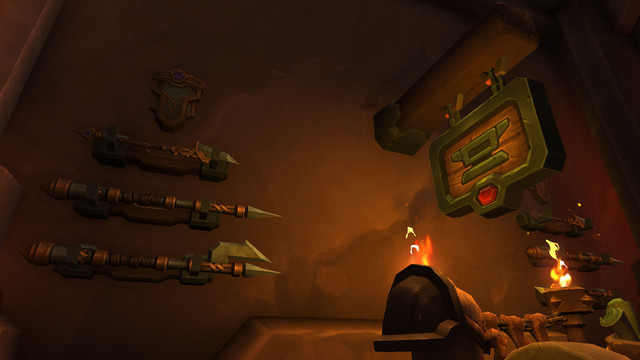
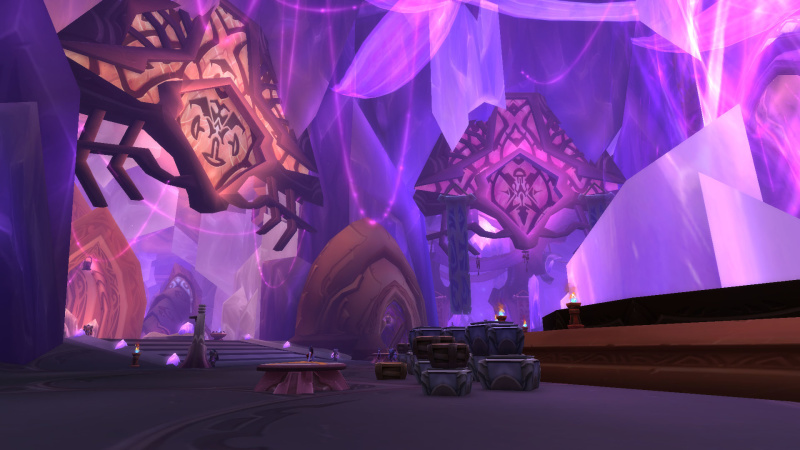
Reputation often acts as a storytelling device. As players earn the trust of factions, new dialogues, quests, and story chapters appear. This gradual narrative pacing creates emotional connection with zones and characters. Whether helping the Kalu’ak heal their ancestral lands or uncovering forbidden lore with the Nightfallen, reputation ties the player’s actions directly to worldbuilding.

This makes reputation feel more meaningful than a simple grind—it becomes a way to experience the world’s evolving culture and conflicts.
Reputation as a Gear and Power Gate
Across many expansions, reputation serves as a gate for powerful gear and progression systems. In Burning Crusade, heroic dungeon keys required specific rep levels. In Mists of Pandaria, valor gear sat behind reputation thresholds. In Dragonflight and The War Within, renown unlocks profession recipes, bonus rolls, cosmetic armors, and even access to new gameplay features.
These gates ensure that players progress gradually, reducing the risk of overwhelming content paths or skipping major expansion features.
The Economic Influence of Reputation
Reputation plays a large role in the economy. Profession recipes, cosmetic unlocks, mounts, and pets tied to reputation often create valuable markets. Players who reach max reputation early can craft high-demand items, farm unique materials, or sell cosmetic collectibles at premium prices. This creates economic waves tied directly to reputation cycles.
Reputation also influences world event participation, as certain events provide lucrative reputation boosts that drive surges of activity and market movement.
Reputation Milestones and Player Motivation
The structure of reputation milestones creates a powerful psychological loop. Small gains accumulate toward significant rewards, ensuring players feel consistent progress. This makes reputation one of WoW’s strongest motivational systems. Even players who dislike grinding often chase reputation because of the sense of completion it brings.
The steady nature of reputation progression contrasts with the randomness of gear, making it especially appealing for players who enjoy long-term goals.
Reputation and Weekly Gameplay Rhythms
Reputation systems often tie into weekly tasks. World boss events, weekly quests, special assaults, and bonus events all contribute reputation in structured cycles. This builds routine into the player experience, encouraging ongoing engagement without overwhelming players with daily obligations.
Weekly rep goals also connect players to broader seasonal systems like renown caps and Great Vault preparation.
Why Reputation Remains a Core Pillar of WoW
Despite evolving significantly over two decades, reputation remains one of WoW’s most important systems because it balances structure, narrative, progression, and long-term engagement. Reputation rewards diverse playstyles, supports worldbuilding, and ties players emotionally to the factions they fight alongside. It offers predictable progress that complements the uncertainty of loot drops and RNG-based systems.
As expansions continue to introduce new models and refinements, reputation consistently anchors the player experience with a clear sense of direction and enduring value.
Conclusion
WoW’s reputation systems are far more than simple progress bars—they are multi-layered frameworks that guide player pacing, narrative flow, gear progression, and long-term engagement. Whether tied to renown tracks, classic factions, or modern activity-based models, reputation continuously motivates players to explore the world, invest in factions, and cultivate a sense of belonging in Azeroth.
The many layers of reputation shape how players experience each expansion, making it one of the most enduring and impactful systems in the entire game.