
Healers are no longer defined solely by reactive recovery. As damage patterns intensify and overlaps become lethal, successful healers anticipate danger and prevent it before health bars collapse.
Prevention and control now sit at the core of high-level healing.
Why Reactive Healing Falls Short
Sudden spikes leave little room for correction. By the time damage lands, recovery windows may already be gone.
Healing must start before the hit connects.
Proactive Tools Gain Priority
Modern kits emphasize shields, mitigation, and control effects that reduce incoming damage.

These tools smooth pressure and buy time.
Ways Healers Prevent Damage Before It Happens
High-level healers act early and deliberately.
- Pre-shielding before known burst windows
- Using crowd control to reduce enemy output
- Positioning to minimize group-wide damage
- Coordinating defensives with tanks and DPS
Prevention reduces panic and resource drain.
Control as a Healing Responsibility
Interrupts, stuns, and displacement effects now contribute directly to healing success. Stopping damage often matters more than restoring health.
Healers become active participants in encounter control.
Shifting Skill Expression
The skill gap moves from raw throughput to foresight. Anticipating mechanics and preparing responses separates top healers from average ones.
Planning replaces reaction.
Conclusion
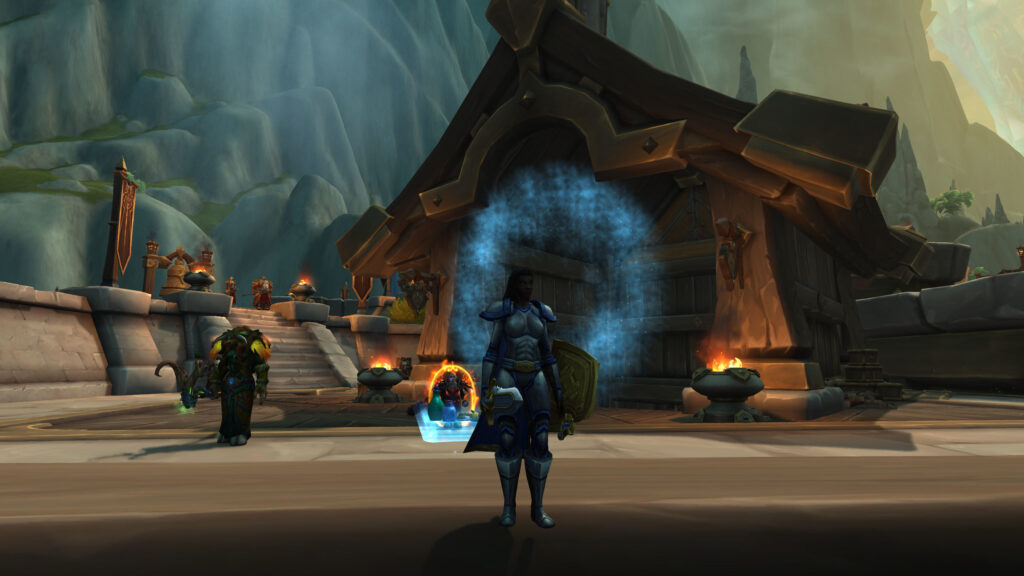
Healer playstyles are shifting toward proactive damage prevention and control. By acting ahead of danger and shaping encounters, healers turn overwhelming pressure into manageable flow and redefine their role in modern group content.