The Naaru are enigmatic beings in the lore of the Warcraft universe, embodying the Light and serving as pivotal figures in the ongoing conflict between good and evil. Their history is rich with events that shape the fate of entire worlds, particularly in their interactions with the Draenei and the Burning Legion. This guide delves into the lore surrounding the Naaru, focusing on key events from Oshu’gun to the tragic fates of K’ure and M’uru, providing a comprehensive understanding of their significance in the broader narrative.
What are the key events in the lore of the Naaru?
The key events in the lore of the Naaru include the creation of Oshu’gun, the fall of K’ure, and the corruption of M’uru, each representing critical moments in the struggle between Light and Shadow.
The lore of the Naaru is punctuated by significant events that highlight their role in the cosmic balance. This table summarizes some of the most impactful moments in Naaru history, illustrating their evolution and the consequences of their interactions with other races and forces.
| Event | Date | Location | Significance |
|---|---|---|---|
| Creation of Oshu’gun | Prehistory | Draenor | Birthplace of the Draenei and a site of Naaru power. |
| Fall of K’ure | After the Exodar’s crash | Shattrath City | Corrupted by the Shadow, leading to a pivotal shift in the balance of power. |
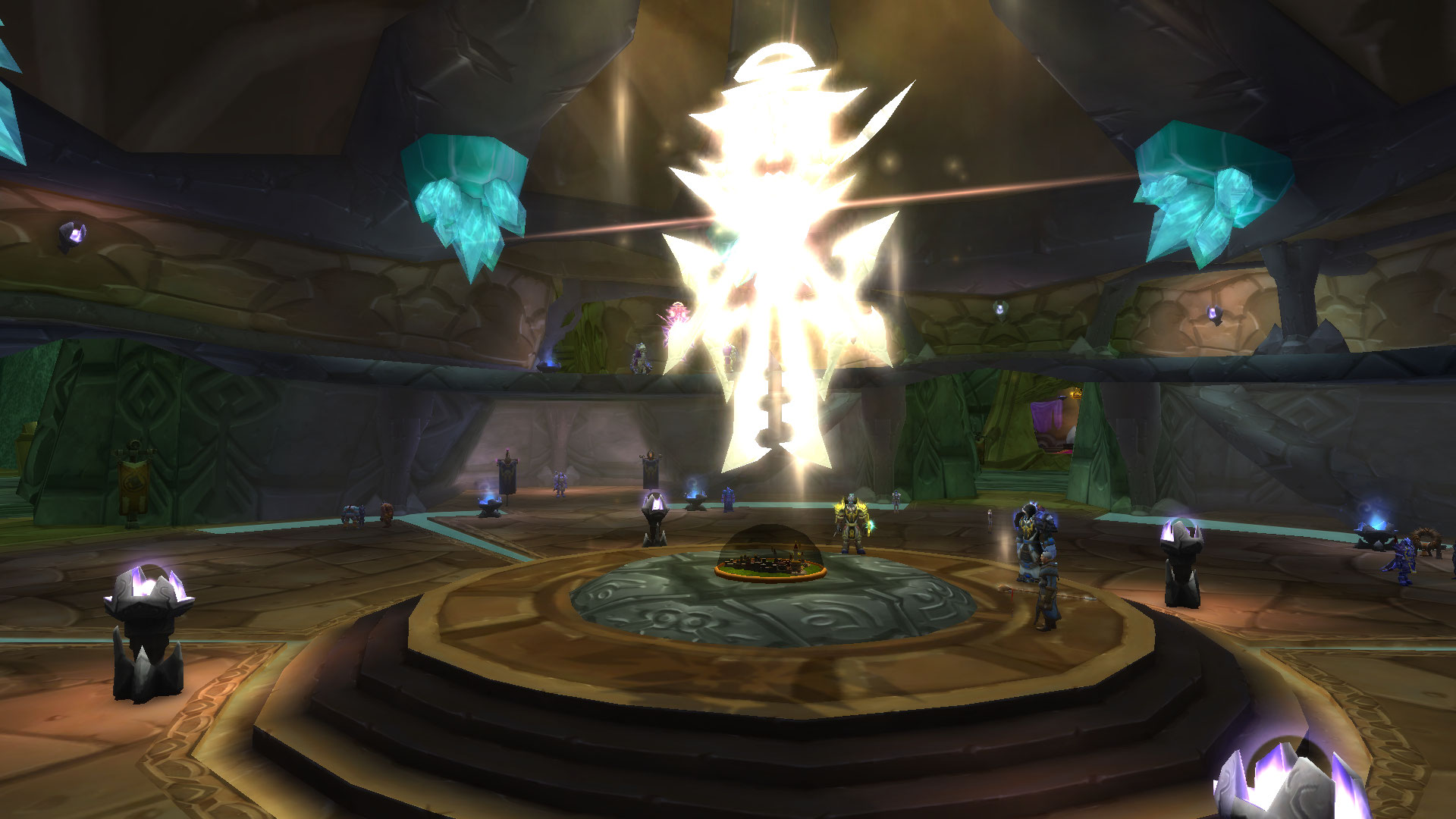
| Corruption of M’uru | During the Burning Crusade | Tempest Keep | Demonstrated the vulnerability of the Naaru to the influence of the Void. |
How did Oshu’gun influence the Draenei and the Naaru?
Oshu’gun served as a sacred site for the Draenei, symbolizing their connection to the Naaru and the Light, while also acting as a focal point for their spiritual and cultural identity.
Oshu’gun, a massive crystal formation on Draenor, is believed to be a remnant of a Naaru that fell to the planet. This site became central to Draenei culture, representing their hope and connection to the Light. The Draenei revered Oshu’gun, believing it to be a source of wisdom and guidance. The presence of the Naaru at Oshu’gun also facilitated the Draenei’s understanding of the Light, allowing them to harness its power for healing and protection against the encroaching darkness of the Burning Legion.
The mechanics of this relationship are deeply rooted in the lore, as the Draenei’s spiritual practices were significantly influenced by the teachings of the Naaru. For instance, the Draenei’s ability to channel the Light for healing and combat stems from their communion with Oshu’gun. This connection is further exemplified by the creation of the Exodar, which was constructed from a crashed Naaru ship, symbolizing the Draenei’s commitment to the Light and their ongoing struggle against the forces of evil. The lore surrounding Oshu’gun thus serves as a testament to the profound impact of the Naaru on the Draenei’s identity and their ongoing battle against darkness.
What led to the fall of K’ure and its implications?
The fall of K’ure marked a significant turning point for the Naaru, illustrating their susceptibility to corruption and the dire consequences of their interactions with the Shadow.
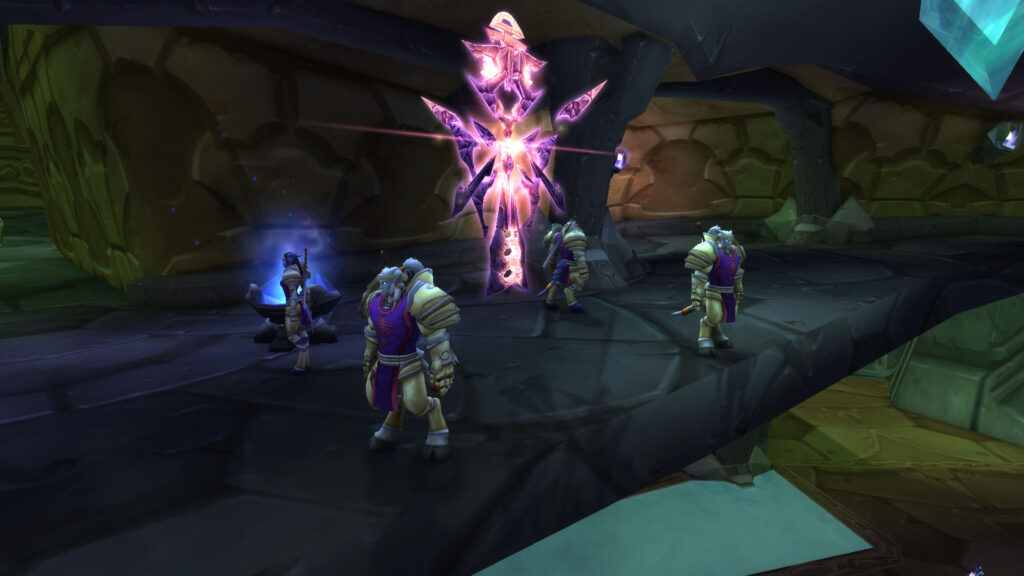
K’ure was a Naaru who played a vital role in the defense of Shattrath City against the forces of the Burning Legion. However, during a critical moment, K’ure was captured and subsequently corrupted by the Void. This event not only represented a loss for the Naaru but also highlighted the fragility of their existence in the face of overwhelming darkness. The implications of K’ure’s fall were profound, as it demonstrated that even beings of pure Light could succumb to the influence of evil, raising questions about the nature of power and corruption.
The mechanics of K’ure’s corruption involved a complex interplay of Light and Shadow, showcasing the duality of existence in the Warcraft universe. The transformation of K’ure into a being of Shadow was not merely a physical change but also a philosophical one, challenging the very foundations of the Naaru’s existence. Players can witness the remnants of K’ure’s fall in the ongoing struggles within Shattrath, where the remnants of the Light battle against the encroaching darkness. This event serves as a cautionary tale about the dangers of power and the constant vigilance required to maintain the balance between Light and Shadow.
How did the corruption of M’uru affect the Blood Elves?
The corruption of M’uru had a profound impact on the Blood Elves, leading them to embrace darker powers and significantly altering their trajectory in the ongoing conflict.
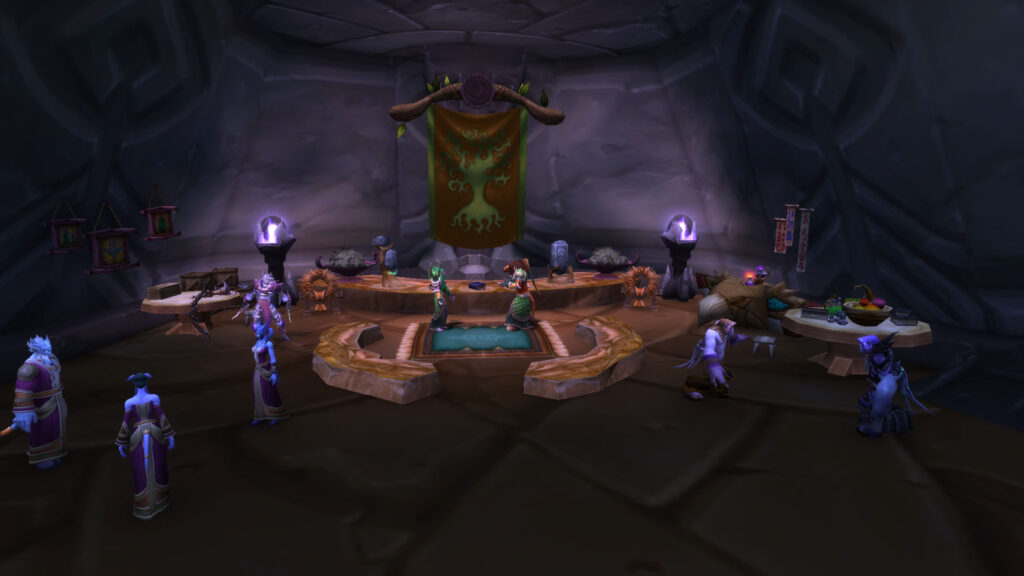
M’uru was a Naaru who became a source of hope for the Blood Elves, providing them with the Light they desperately needed after the devastation of their homeland. However, during the events of the Burning Crusade, M’uru was captured by Kael’thas Sunstrider and subsequently corrupted. This act not only severed the Blood Elves’ connection to the Light but also pushed them further into the embrace of darker powers, as they sought to reclaim their lost strength. The implications of M’uru’s corruption were far-reaching, as it marked a significant shift in the Blood Elves’ identity and their relationship with the Light.
The mechanics of M’uru’s corruption involved a series of strategic decisions made by Kael’thas, who believed that harnessing the power of the Void would grant the Blood Elves the strength they needed to combat their enemies. This decision ultimately led to a schism within the Blood Elf community, as some sought to reclaim their connection to the Light while others embraced the darker path. The consequences of this internal conflict are evident in the ongoing struggles within the Blood Elf ranks, as they grapple with their identity and the legacy of M’uru’s fall. Players engaging with this lore can explore the complexities of the Blood Elves’ journey and the moral dilemmas they face in their quest for power.
What are the strategic implications of the Naaru’s lore for players?
The lore of the Naaru offers players critical insights into the ongoing conflict between Light and Shadow, shaping their understanding of character motivations and the broader narrative.
Understanding the lore of the Naaru is essential for players seeking to navigate the complexities of the Warcraft universe. The strategic implications of this lore extend beyond mere storytelling; they influence gameplay mechanics, character development, and faction dynamics. Players who grasp the significance of the Naaru’s history can make informed decisions about their character’s alignment, abilities, and interactions with other factions. This knowledge can also enhance the overall gaming experience, allowing players to appreciate the depth of the narrative and the moral complexities faced by the characters.
Operational recommendations for players include engaging with quests that explore the Naaru’s lore, participating in events that highlight their influence, and considering the moral implications of their choices. Players should also be aware of the ongoing conflicts between the various factions, as these dynamics can significantly impact gameplay. By leveraging their understanding of the Naaru’s lore, players can enhance their strategic approach to the game, making choices that resonate with the overarching narrative and contribute to their character’s growth.
What challenges and exceptions exist in the lore of the Naaru?
Challenges in the lore of the Naaru include the complexities of their interactions with other races and the potential for corruption, which can lead to unexpected outcomes.
The lore surrounding the Naaru is not without its challenges and exceptions. One significant issue is the inherent vulnerability of the Naaru to corruption, as seen in the cases of K’ure and M’uru. These events raise questions about the nature of Light and Shadow, as well as the potential for even the most benevolent beings to fall from grace. Additionally, the Naaru’s interactions with other races, such as the Draenei and Blood Elves, often lead to complex relationships that can result in conflict or misunderstanding.
Players should be aware of these challenges when engaging with the lore, as they can influence character motivations and faction dynamics. For instance, the Blood Elves’ embrace of darker powers following M’uru’s corruption illustrates the potential for moral ambiguity in the quest for power. Understanding these nuances can enhance players’ engagement with the narrative and inform their decisions within the game. By navigating these challenges, players can gain a deeper appreciation for the complexities of the Naaru’s lore and its implications for the ongoing conflict in the Warcraft universe.
What future trends can we expect in the lore of the Naaru?
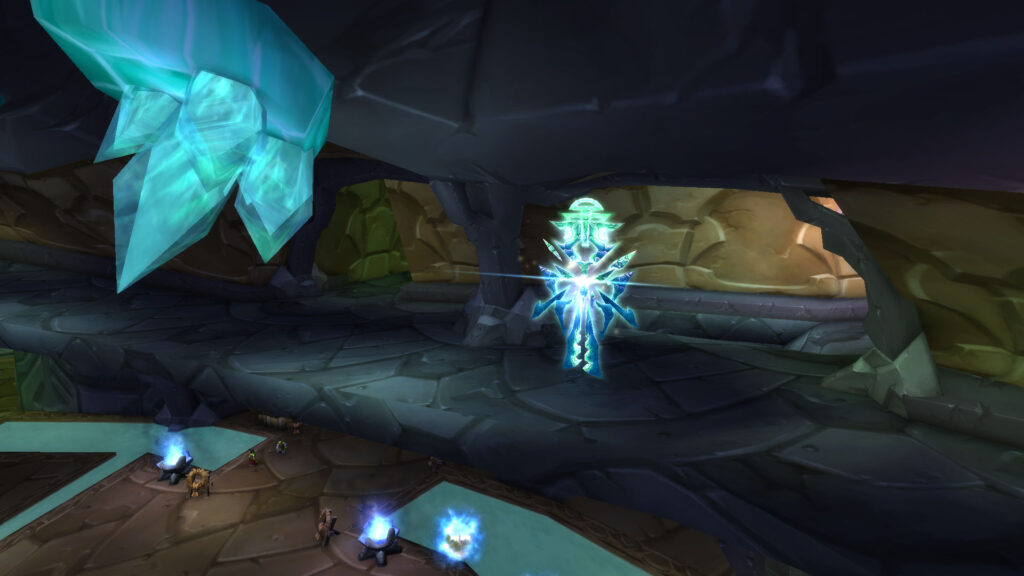
Future trends in the lore of the Naaru may involve further exploration of their role in the cosmic balance, as well as the potential for new conflicts arising from their interactions with other forces.
As the Warcraft universe continues to evolve, the lore of the Naaru is likely to expand, offering new insights into their role in the ongoing battle between Light and Shadow. Players can expect to see further exploration of the Naaru’s origins, their connections to other cosmic entities, and the implications of their actions on the broader narrative. This evolution may also introduce new conflicts, as the balance between Light and Shadow becomes increasingly precarious.
Scalability options for players include engaging with new content that delves deeper into the Naaru’s lore, participating in events that highlight their significance, and exploring the moral dilemmas faced by characters influenced by the Naaru. By staying informed about these trends, players can enhance their understanding of the narrative and make informed decisions that resonate with the ongoing themes of the game. The future of the Naaru’s lore promises to be rich with possibilities, offering players a chance to engage with the complexities of the Warcraft universe in new and exciting ways.