The Cataclysm expansion in World of Warcraft introduced significant changes to the game world, including the volcanic eruption that devastated the Lost Isles. This event marked a pivotal moment for the Kezan Goblins, who, facing destruction, sought refuge and ultimately aligned with the Horde. This guide explores the mechanics of their escape, the aftermath of the disaster, and their integration into the Horde’s war efforts.

What caused the volcanic eruption on the Lost Isles?
The volcanic eruption on the Lost Isles was primarily caused by the Cataclysm event, which was triggered by Deathwing’s return and the subsequent upheaval of the elemental forces.
The Lost Isles, home to the Kezan Goblins, were significantly affected by the Cataclysm, which unleashed chaotic elemental energies across Azeroth. The eruption was not merely a natural disaster but a consequence of Deathwing’s cataclysmic influence, which destabilized the region’s geology. The volcanic activity was characterized by violent eruptions, lava flows, and toxic fumes, creating an inhospitable environment for the Goblins. As the volcano erupted, the Goblins faced immediate threats to their lives and livelihoods, forcing them to abandon their homes and seek safety. This disaster not only destroyed their settlements but also disrupted their economy, which relied heavily on mining and trade. The urgency of their situation catalyzed their decision to escape and find new alliances.
How did the Kezan Goblins escape the Lost Isles?
The Kezan Goblins escaped the Lost Isles by utilizing their engineering skills to construct makeshift ships and by leveraging their resourcefulness to navigate the treacherous waters.
As the volcano erupted, the Goblins quickly mobilized their engineering expertise to create vessels capable of withstanding the harsh conditions. They scavenged materials from their surroundings, including wood, metal, and other debris, to build ships that could carry them away from the impending doom. The Goblins also employed their knowledge of navigation and the sea, which had been honed through years of trade and exploration. Their ability to adapt to the rapidly changing environment was crucial; they faced not only the threat of lava flows but also the dangers of navigating through turbulent waters filled with debris and hostile sea creatures. The escape was not without its challenges, as many Goblins were lost in the chaos, but those who survived managed to reach the safety of the mainland.
- Gather materials quickly to construct sturdy ships.
- Utilize existing engineering knowledge to enhance ship designs.
- Form teams for navigation and shipbuilding to maximize efficiency.
- Prepare for potential sea threats by arming ships with defenses.
What were the consequences of the Goblins’ escape for the Horde?
The escape of the Kezan Goblins led to their eventual recruitment into the Horde, significantly bolstering the faction’s technological capabilities and resource management.
The aftermath of the Goblins’ escape was transformative for the Horde. Upon reaching the mainland, they found themselves in a position to negotiate alliances, and their engineering prowess caught the attention of the Horde leaders. The Goblins brought with them advanced technology and a unique perspective on warfare, which complemented the Horde’s existing strategies. Their ability to produce explosive devices, mechanical constructs, and other war machines provided the Horde with a significant tactical advantage. The integration of the Goblins into the Horde also introduced new economic opportunities, as they established trade routes and resource management systems that benefited both parties. This alliance not only strengthened the Horde’s military might but also diversified its cultural landscape.
| Consequence | Impact on the Horde | Technological Advancements | Economic Benefits |
|---|---|---|---|
| Recruitment of Goblins | Increased manpower and engineering skills | Advanced explosives and machinery | New trade routes established |
| Formation of new alliances | Strengthened faction unity | Innovative war strategies | Resource sharing among factions |
| Economic revitalization | Boosted Horde’s economy | Efficient resource management | Increased production capabilities |
What challenges did the Goblins face after joining the Horde?
After joining the Horde, the Goblins faced challenges related to integration, cultural differences, and proving their loyalty to the faction.
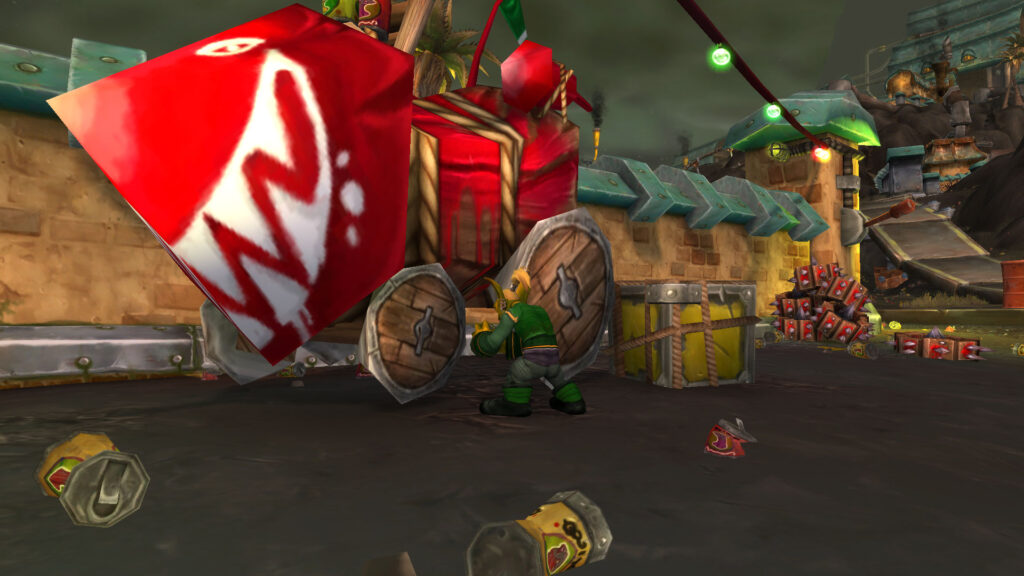
Despite their technological contributions, the Goblins encountered skepticism from some members of the Horde, who viewed them as opportunistic and untrustworthy. This perception created a barrier to full integration, as Goblins had to work diligently to prove their loyalty and commitment to the Horde’s cause. Additionally, cultural differences posed challenges in communication and collaboration, as Goblins often prioritized profit and efficiency over traditional values held by other races. The Goblins also had to navigate the political landscape within the Horde, aligning their interests with those of more established factions while maintaining their unique identity. Overcoming these challenges required strategic diplomacy and a demonstration of their value in battle and resource management.
How did the Goblins contribute to the Horde’s war efforts?
The Goblins significantly contributed to the Horde’s war efforts through their engineering innovations, resource management, and strategic planning.
Once integrated into the Horde, the Goblins utilized their engineering skills to develop new weaponry and machinery that enhanced the Horde’s combat capabilities. Their expertise in explosives led to the creation of powerful siege weapons and traps that could turn the tide of battle. Additionally, the Goblins played a crucial role in logistics, ensuring that resources were efficiently allocated and that troops were well-equipped for engagements. Their ability to quickly adapt to changing battlefield conditions allowed the Horde to maintain a strategic advantage over their enemies. The Goblins also fostered a culture of innovation within the Horde, encouraging collaboration and experimentation that led to further advancements in warfare technology.
What are the best practices for playing as a Goblin in the Horde?
To excel as a Goblin in the Horde, players should focus on leveraging their unique racial abilities, optimizing their engineering skills, and engaging in trade.
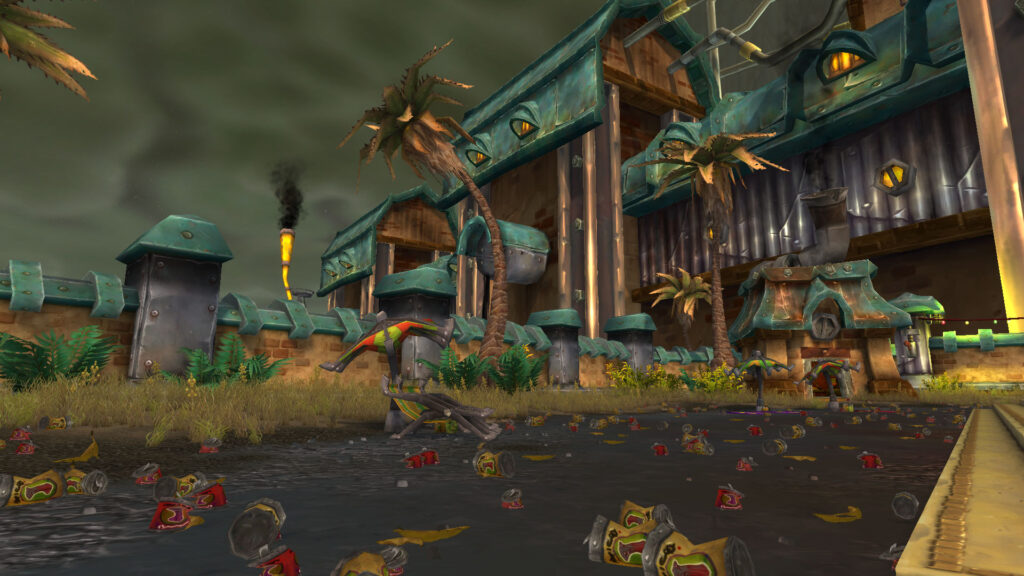
Playing as a Goblin offers unique advantages, such as increased movement speed and a knack for acquiring wealth. Players should prioritize engineering as a profession, allowing them to craft powerful gadgets and explosives that can be used in both PvE and PvP scenarios. Engaging in trade with other players can also provide valuable resources and gold, enhancing the Goblin’s economic prowess. Additionally, players should participate in faction events and quests that highlight the Goblin’s strengths, such as resource gathering and technological innovation. By maximizing their racial abilities and focusing on their strengths, Goblin players can significantly impact the Horde’s success in various endeavors.
Frequently Asked Questions
What led to the Kezan Goblins’ decision to join the Horde?
The Kezan Goblins decided to join the Horde primarily due to their need for protection and the opportunity to leverage their engineering skills. After the volcanic eruption, they sought a powerful ally to ensure their survival and prosperity.
How did the Goblins’ engineering skills impact the Horde?
The Goblins’ engineering skills significantly impacted the Horde by introducing advanced weaponry and machinery, enhancing their combat effectiveness. Their innovations allowed the Horde to gain strategic advantages in battles.
What cultural challenges did Goblins face within the Horde?
Goblins faced cultural challenges within the Horde, including skepticism from other races and the need to prove their loyalty. They had to navigate differences in values and priorities to integrate successfully.